


Boutique Gym vs Commercial Gym: Which Makes More Money?

28/03/26
When you’re planning to open a gym, one of the biggest decisions you’ll face is choosing the right model. Do you go down the traditional commercial gym route, or opt for a more focused boutique setup?
It’s a question that comes up time and time again and ultimately, it comes down to profitability, scalability, and how you want to run your gym business.
Let’s break it down.
What is a Commercial Gym?
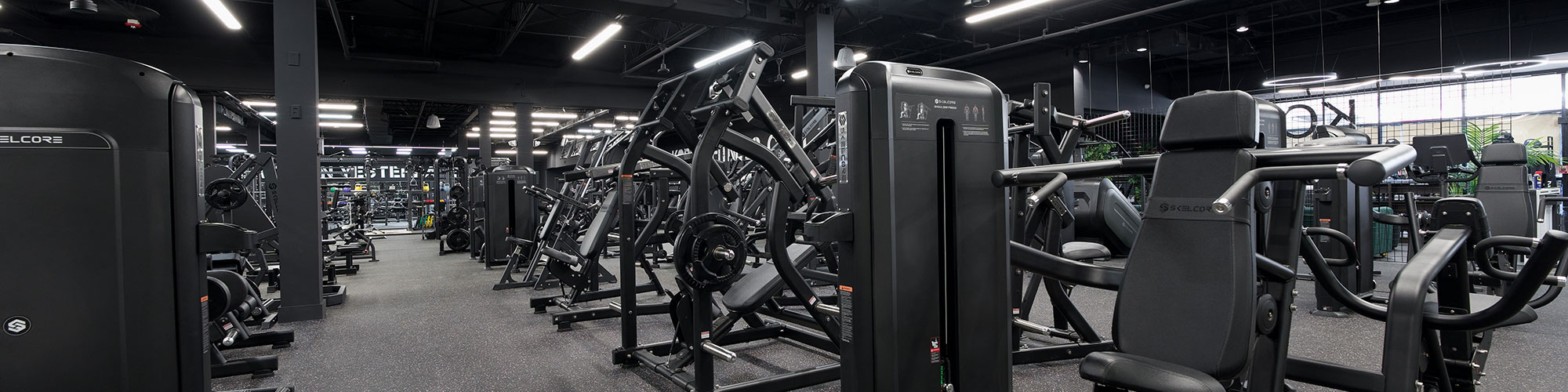
A commercial gym is what most people picture when they think of fitness facilities. Large spaces filled with cardio machines, resistance equipment, free weights, and often open 24/7.
This model is built around volume.
Memberships are typically lower cost, often between £20 and £40 per month, and the aim is to attract a high number of members to generate consistent revenue. Pack them in and go for volume.
On paper, it’s a proven model. But it comes with significant overheads.
You’ll need a larger premises, which means higher rent and business rates. Equipment costs are substantial, especially if you’re fitting out a full commercial space. Staffing, maintenance, utilities and ongoing repairs all add up quickly.
To make it work, you need scale. That means hundreds, and often thousands, of active members.
What is a Boutique Gym?
Boutique gyms take a very different approach.
They’re typically smaller, more specialised spaces that focus on a specific type of training, whether that’s strength and conditioning, group training, functional fitness or personal training.
Rather than appealing to everyone, boutique gyms target a specific audience.
And because of that, they can charge significantly more.
Memberships can range anywhere from £100 to £250+ per month, or operate on a class-based model where clients pay per session or block of sessions.
The key difference here is what you’re selling.
It’s not just access to equipment, it’s coaching, structure, accountability and a more personalised experience.
Comparing Profitability
So, which model actually makes more money?
The honest answer is that both can be profitable but they operate very differently.
Commercial gyms have a higher overall revenue ceiling. With enough members, they can generate substantial income. However, they also come with much higher running costs, and profit margins per member tend to be lower.
Boutique gyms, on the other hand, usually operate with lower overheads. Smaller space, less equipment, fewer staff.
While total revenue might be lower compared to a large commercial facility, the margins are often stronger.
In many cases, boutique gyms can be more profitable relative to their size, particularly when measured per square foot.
Risk and Investment
Another key factor to consider is risk.
Commercial gyms require a significant upfront investment. You’re committing to a large space, a full equipment fit-out, and higher ongoing costs from day one.
That means more pressure to perform quickly and consistently.
Boutique gyms are generally more accessible from a startup perspective.
Lower initial investment, smaller footprint, and the ability to scale gradually make them an attractive option, especially for first-time gym owners.
That said, boutique gyms rely heavily on delivering a strong customer experience. Retention is key, and members expect value for what they’re paying.
Which Gym is Right for You?
There’s no one-size-fits-all answer.
If you’re looking to build a large-scale operation, have access to significant capital, and are confident in managing a high-volume business, a commercial gym could be the right route.
However, if you’re more focused on creating a strong brand, building a community, and achieving profitability with a smaller, more controlled setup, a boutique gym is often the smarter starting point.
Growing Demand
The fitness industry has shifted in recent years. We are entering a gym golden age.
While commercial gyms will always have their place and there’s growing demand for more personalised, experience-driven environments and that’s where boutique gyms continue to perform well.
Ultimately, profitability doesn’t come down to the type of gym alone.
It comes down to how well the business is planned, positioned and executed.
Choose the model that aligns with your goals, your budget, and the kind of gym you actually want to run.
Get that right, and the rest becomes a lot easier.
Browse by category
Recent posts
Talk to our team
Whether you're opening a new gym, expanding your facility
or upgrading your exercise equipment, speak to
our commercial gym specialists today.
 01691 888 050