



How to Design a PT Studio for High Revenue
26/04/26
Designing a personal training (PT) studio isn’t just about aesthetics or squeezing in as much equipment as possible, it’s about building a space that actively drives revenue. Every square metre, layout choice, and service offering should contribute to client retention, upsells, and operational efficiency. Done right, your studio becomes more than a training space; it becomes a high-performing business asset.
Start with Your Business Model, Not the Equipment
Before thinking about gym flooring or mirrors, define how your studio will make money. Are you focusing on 1-to-1 coaching, small group personal training (SGPT), or a hybrid model? This decision shapes everything, from floor space allocation to staffing needs.
For example, 1-to-1 training requires privacy and a premium feel, while SGPT thrives on open layouts and energy. Many high-revenue studios lean toward small group formats because they allow trainers to service multiple clients per hour, dramatically increasing earning potential without increasing rent.
Optimise Your Layout for Throughput
A common mistake is designing a space that looks good but limits how many sessions you can run simultaneously. Think in terms of “throughput” how many clients you can train per hour without compromising experience.
Zoning is key:
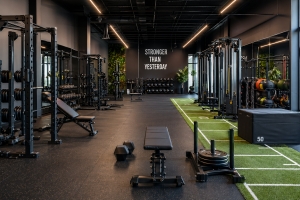
- Strength area: Racks, benches, and free weights
- Functional space: Open turf for circuits, sled work, and conditioning
- Accessory zone: Smaller equipment like dumbbells, kettlebells, and cables
Ensure smooth flow between zones so multiple clients or groups can train at once without bottlenecks. Dead space is lost revenue, every corner should have a purpose.
Choose Versatile, Revenue-Generating Equipment
Avoid overloading your studio with bulky, single-use machines. Instead, invest in versatile equipment that supports multiple training styles and clients at once.
Think:
- Adjustable benches instead of fixed ones
- Cable systems that allow multiple users
- Functional rigs with pull-up bars, suspension trainers, and attachments
This approach not only saves space but also allows you to deliver varied sessions, keeping clients engaged and more likely to stay long-term.
Create a Premium Client Experience
Revenue isn’t just about volume, it’s also about pricing power. A well-designed studio allows you to charge more because it feels professional, exclusive, and results-driven.
Key elements that elevate perceived value:
- Clean, uncluttered design
- Consistent branding (colours, signage, finishes)
- High-quality lighting (natural if possible, warm artificial if not)
- Thoughtful extras like changing areas, towels, or water stations
Clients are more willing to pay premium rates—and stay longer—when the environment reflects the quality of your service.
Build for Coaching Efficiency
Your layout should make it easy for trainers to coach, not just clients to train. If coaches are constantly walking across the gym to grab equipment or reposition clients, you’re losing time and reducing session quality.
Design with visibility in mind:
- Clear sightlines across the studio
- Logical equipment placement based on session flow
- Minimal setup time between exercises
The easier it is for coaches to deliver sessions, the more sessions they can run and the more revenue your studio generates.
Integrate Small Group Training Strategically
If higher revenue is the goal, small group personal training should be part of your design. Even a small studio can accommodate 4–6 clients per session with the right setup.
To make this work:
- Ensure enough duplicate equipment (e.g., multiple kettlebells, mats)
- Use a central coaching area where one trainer can oversee everyone
- Design circuits that minimise waiting time
This model increases hourly revenue without significantly increasing overheads, making it one of the most effective ways to scale a PT studio.
Don’t Neglect Storage and Organisation
Clutter kills both efficiency and perception. A messy studio feels unprofessional and wastes time during sessions.
Incorporate smart storage:
- Wall-mounted racks for weights and accessories
- Clearly defined zones for each type of equipment
- Easy access for both coaches and clients
An organised space not only looks better but also allows sessions to run smoothly, improving client satisfaction and retention.
Use Design to Encourage Retention
Acquiring clients is expensive, keeping them is where profit is made. Your studio design should encourage clients to stay longer and engage more deeply with your services.
Consider:
- A welcoming entrance or reception area
- Space for conversation before/after sessions
- Visual progress tracking (whiteboards, screens, or apps integrated into the space)
When clients feel part of a community and can see their progress, they’re far more likely to continue training and refer others.
Plan for Scalability
Even if you’re starting small, design with growth in mind. Can your layout handle more clients, more coaches, or additional services in the future?
Flexible design choices, like modular equipment and adaptable zones, allow you to evolve without a costly redesign. This ensures your studio continues to support increasing revenue as your business grows.
Designing a PT studio for maximum revenue isn’t about cramming in equipment or copying a commercial gym. It’s about aligning your space with your business goals, optimising for efficiency, and creating an experience clients are willing to pay for.
Every decision, from layout to lighting, should answer one question: does this help me serve more clients, deliver better sessions, or increase retention?
If the answer is yes, you’re on the right track.
Browse by category
Recent posts
Talk to our team
Whether you're opening a new gym, expanding your facility
or upgrading your exercise equipment, speak to
our commercial gym specialists today.
 01691 888 050