



Push vs Pull Exercises
24/01/26
How to Balance Your Training for Strength, Muscle and Injury Prevention
Walk into any well-designed gym and you’ll see a wide range of exercises being performed, from presses, rows and squats to pulldowns, lunges and more. But behind all of these movements sits a simple and highly effective training principle: push and pull exercises.
Understanding the difference between push and pull movements (and learning how to balance them correctly) is one of the most important steps toward building strength, muscle, and long-term joint health. Whether you’re a beginner, an experienced lifter, push–pull balance should always be a priority.
What Are Push Exercises?
Push exercises are movements where you push resistance away from your body. These exercises primarily train the muscles responsible for extension at the shoulder, elbow or hip.
Main muscles involved in push exercises
-
Chest
-
Shoulders (especially anterior delts)
-
Triceps
-
Quadriceps
-
Glutes
Common push exercises
-
Bench press
-
Chest press
-
Overhead press
-
Shoulder press
-
Squats
-
Push-ups
Push movements can be performed using free weights, selectorised machines, plate-loaded equipment, or cable machines, making them accessible to all training levels.
What Are Pull Exercises?
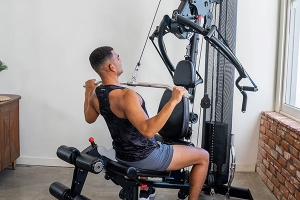
Pull exercises involve pulling resistance towards your body or pulling your body towards resistance. These movements train the muscles responsible for flexion and retraction.
Main muscles involved in pull exercises
-
Upper and mid-back
-
Lats
-
Rear delts
-
Biceps
-
Hamstrings
Common pull exercises
-
Lat pulldowns
-
Pull-ups
-
Rows
-
Seated cable rows
-
Deadlifts
-
Hamstring curls
-
Face pulls
Pull movements are crucial for posture, shoulder stability and spinal support — yet they’re often undertrained compared to push exercises.
Why Push–Pull Balance Matters
One of the most common issues seen in gyms is push dominance — too much pressing, not enough pulling. This imbalance can lead to:
-
Rounded shoulders
-
Poor posture
-
Shoulder pain
-
Reduced performance
-
Increased injury risk
Balanced push–pull training ensures that the muscles surrounding your joints develop evenly, keeping movement efficient and resilient.
Key benefits of balanced training
-
Stronger, more stable shoulders
-
Improved posture and alignment
-
Better performance in compound lifts
-
Reduced risk of overuse injuries
-
More symmetrical muscle development
How to Structure Push and Pull Training
There are several effective ways to organise push and pull exercises within a programme.
1. Push–Pull Split
A popular structure where training days are divided into:
-
Push day (chest, shoulders, triceps, quads)
-
Pull day (back, biceps, hamstrings)
This approach works particularly well in commercial gyms and PT settings, allowing focused sessions with manageable fatigue.
2. Full-Body Push–Pull Balance
Each workout includes both push and pull movements.
Example:
-
Chest press (push)
-
Seated row (pull)
-
Leg press (push)
-
Hamstring curl (pull)
This is ideal for beginners and general fitness members.
3. Upper/Lower Split
Push and pull movements are balanced across upper- and lower-body days.
This structure works well with:
-
Cable machines
-
Functional trainers
-
Plate-loaded machines
-
Free weight areas
Push and Pull Exercises by Equipment Type
Machine-Based Training
Machines are excellent for teaching movement patterns and controlling load.
Push-focused machines
-
Chest press machines
-
Leg press machines
Pull-focused machines
-
Lat pulldown machines
-
Seated row machines
-
Selectorised hamstring curls
Cable-Based Training
Cable machines offer smooth resistance and high versatility.
-
Push: cable chest press, triceps press-down
-
Pull: cable rows, face pulls, lat pulldowns
Key internal-link opportunities:
-
Cable machines
-
Functional trainers
-
Dual adjustable pulleys
Free Weights
Free weights challenge stabilisers and coordination.
-
Push: bench press, overhead press, squat
-
Pull: barbell row, deadlift, pull-ups
How Many Push vs Pull Exercises Should You Do?
A widely accepted guideline is a 1:1 ratio of push to pull exercises or even slightly more pulling if posture or shoulder health is a concern.
For example:
-
For every chest or shoulder press, include a row or pulldown
-
For every quad-dominant movement, include a hamstring or posterior-chain exercise
This approach supports long-term joint health and sustainable strength gains.
Why Gyms Should Design Push–Pull-Friendly Spaces
From a facility design perspective, balanced push–pull training requires thoughtful equipment selection.
Well-equipped gyms should include:
-
Chest press machines
-
Lat pulldown machines
-
Seated row machines
-
Functional trainers
-
Cable machines
-
Free weight zones
-
Selectorised and plate-loaded equipment
This ensures members can train efficiently, safely and progressively regardless of experience level.
Train Smarter, Not Just Harder
Push and pull exercises form the foundation of effective strength training. When balanced correctly, they improve posture, enhance performance and dramatically reduce injury risk. When ignored, imbalances quickly appear.
Whether you’re programming workouts, designing a gym floor, or guiding clients through their training journey, understanding push–pull balance is essential. With the right mix of machines, cable systems, and free weights, push and pull training becomes simple, scalable and highly effective — exactly how strength training should be.
Train with balance, and strength will follow.
Browse by category
Recent posts
- CYC Fitness is proud to launch its own premium fitness equipment brand, Forge Strength®
- Leasing vs Buying Gym Equipment: What’s Right for Your Fitness Business?
- How to Design a PT Studio for High Revenue
- The Most Profitable Gym Business Models in 2026
- Boutique Gym vs Commercial Gym: Which Makes More Money?
Talk to our team
Whether you're opening a new gym, expanding your facility
or upgrading your exercise equipment, speak to
our commercial gym specialists today.
 01691 888 050